
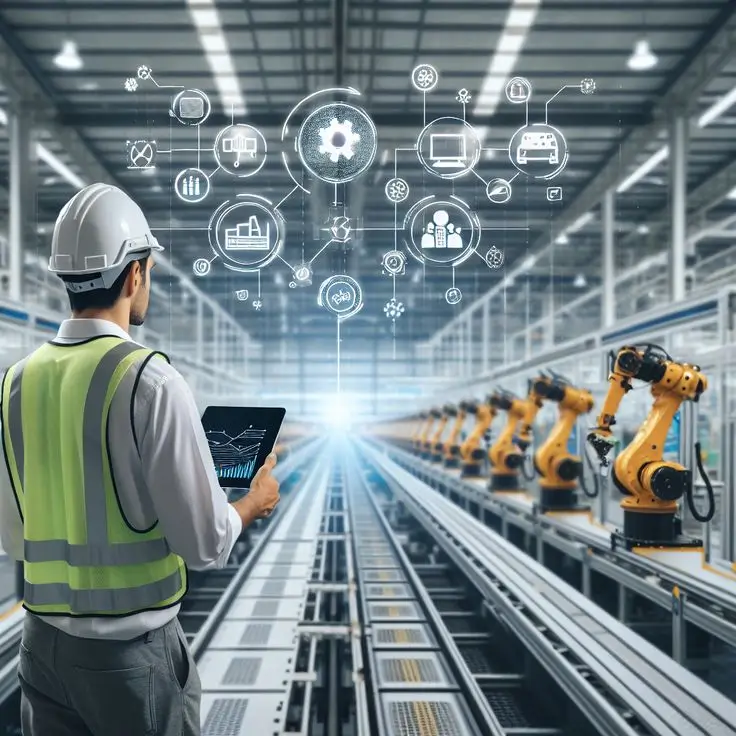
Australian manufacturing is undergoing a visual revolution. By deploying high-resolution cameras and real-time computer vision models on production lines, factories are achieving levels of quality control that were previously impossible.
ZERO-DEFECT MANUFACTURING
Computer vision systems can identify microscopic defects in real-time, often before they become critical issues. This not only reduces waste but also ensures that only the highest quality products reach the customer, protecting the brand's reputation and reducing return costs.
In the food processing industry in Victoria, we've seen systems that can identify contaminants or slight deviations in product color at speeds exceeding 1,000 units per minute—performance that human inspectors simply cannot match consistently over an eight-hour shift.
EDGE COMPUTING AND REAL-TIME RESPONSE
The effectiveness of these systems relies on edge computing. By processing the visual data directly on the factory floor rather than sending it to a remote cloud server, latency is reduced to milliseconds. This allows the system to trigger a mechanical reject arm or pause the production line instantly.
Furthermore, the data collected from these inspections is being used for predictive maintenance. By analysing the types of defects occurring, AI can predict when a specific machine component is about to fail, allowing for scheduled repairs before an unplanned breakdown occurs.
"The factory of the future doesn't just work harder; it sees clearer and acts faster than ever before."

.webp)